Embedded C certification training in Chandigarh
Why Choose Embedded C for Embedded Systems Development
In today’s technology landscape, embedded systems power everything from smart home devices and wearables to industrial automation and robotics. The programming language at the heart of many embedded systems is Embedded C, a specially adapted form of the C language optimised for microcontrollers and real‐time hardware interfacing.
By mastering Embedded C, you gain:
- The ability to write efficient, low-level code that interacts directly with hardware registers and peripherals.
- Skills to work across microcontrollers such as Arduino, AVR, PIC, ARM, Raspberry Pi and more.
- A competitive edge in fields like IoT, real‐time signal processing, robotics and embedded vision systems.
As the demand for embedded systems grows, enrolling in structured embedded c classes ensures you stay ahead. And with [Embedded C certification training in Chandigarh | Mohali], you access local industry edge plus national‐level skills.
What is Embedded C?
Embedded C is a set of language extensions for the C programming language, tailored to embedded systems development. While standard C is built for general computing on desktops/servers, Embedded C is fine-tuned for:
- Direct hardware access (e.g., memory-mapped I/O, registers)
- Real-time constraints and deterministic behaviour
- Small-footprint microcontrollers with limited resources
- Peripheral interfacing (timers, ADCs, DACs, GPIOs, serial communication)
In other words, when you’re working on a microcontroller board, writing code that interacts with sensors, motors, communication modules, you’re in the domain of Embedded C.
What Are Embedded C Classes?
When we speak of embedded c classes, we refer to structured training programs designed to teach the concepts, tools and required practices for writing Embedded C code. Such classes include:

- Instructor-led lectures combined with hands‐on lab sessions
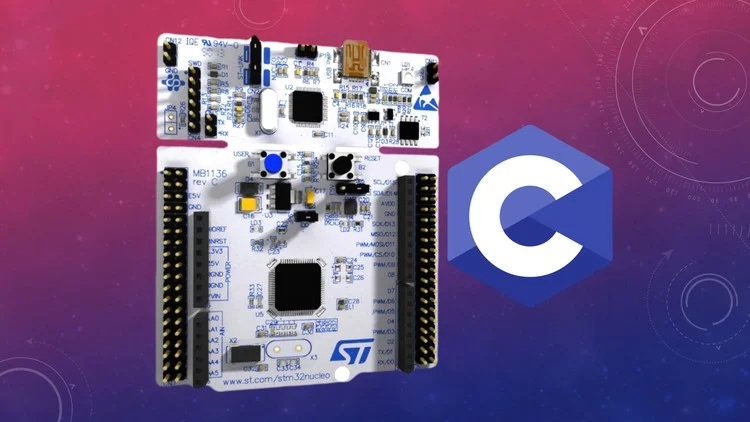
- Live hardware boards featuring microcontrollers (e.g., Arduino/AVR/PIC/ARM)
- Live project work and practical assignments
- Certification on successful completion
Choosing the right classes ensures not just theoretical knowledge but real‐world capability. That’s why opting for Embedded C certification training in Chandigarh | Mohali is smart—you’ll find local access with proven industry infrastructure.
Introducing TheCoreSystems – Your Ideal Training Partner
At TheCoreSystems, we blend software development, AI, embedded systems and industrial projects into a holistic training ecosystem. Our emphasis isn’t only learning — it’s doing.
TheCoreSystems: Profile & Expertise
TheCoreSystems is a software‐development and AI‐driven company offering advanced training in:
- AI, Data Science, Full‐Stack Web Development (MERN / Python Full-Stack)
- Embedded Systems, Python, AWS Cloud Computing, Cybersecurity, Linux
- IoT, IIoT, Industrial Projects in Chandigarh & nearby areas
With this industrial foundation, our training is deeply aligned to real engineering use‐cases, equipping students from nearby universities and industry professionals alike.
Training Infrastructure & Industry Projects
Our training approach includes:
- Fully-equipped labs with microcontroller boards, development kits and sensors
- Live projects connected to industry domains like IoT, embedded vision, IIoT
- Experienced faculty and industry practitioners guiding classes
- Placement support and 100% job assistance focus
When you enrol in our embedded c classes through [Embedded C certification training in Chandigarh | Mohali], you join a programme backed by real industrial benchmarks, not just textbook theory.
Course Overview: Embedded C Certification Training in Chandigarh | Mohali
In our comprehensive course you will learn how to design, code and integrate embedded systems using Embedded C. Here’s what the training covers:
Course Prerequisites & Student Profile
To get the most out of this training, you should ideally have:
- Basic knowledge of C or C++ programming
- Interest in microcontrollers, hardware interfacing and real-time systems
- Engineers, programmers, students working with embedded systems or electronics
Modules Covered – Microcontrollers & Embedded Applications
An outline of major modules:
- Introduction to Embedded Systems & Embedded C
- Microcontroller architecture: Arduino, AVR, PIC, ARM, Raspberry Pi
- Peripheral interfacing: GPIO, Timers, ADC, DAC, UART, SPI, I2C
- Real-time operating concepts, interrupts, power management
- Embedded vision and sensor interfacing (deep-learning readiness)
- Project‐based labs: hardware design, firmware implementation, debugging
Practical Projects & Real-World Applications
Embedded systems are increasingly merging with embedded vision (3D imaging), SLAM (simultaneous localisation and mapping), and intelligent automation. With live hardware sessions, you’ll:
- Program microcontrollers to process sensor data in real time
- Interface cameras and modules for vision tasks
- Explore emerging topics like SLAM for robotics and navigation
These applications show how Embedded C remains critical in modern IoT/AI systems, bridging hardware and software seamlessly.
Benefits of Enrolling in Embedded C Classes at TheCoreSystems
Choosing our programme offers distinct advantages:
Industry Relevance & Job Readiness
- Embedded C is foundational for high-demand fields like IoT, automation, robotics and smart devices
- You acquire transferable skills for hardware/software co-design
- Exposure to real-world use-cases gives you immediate job-readiness
Certification, Placement & Skill Assurance
At TheCoreSystems we ensure:
- Certification upon successful completion of Embedded C certification training in Chandigarh | Mohali
- Placement assistance: industry tie-ups, live project experience, portfolio development
- Curriculum continuously updated to match industry standards
How to Choose the Right Embedded C Certification Training in Chandigarh | Mohali
When evaluating training options, consider these criteria:
Faculty, Curriculum & Lab Infrastructure
- Are instructors industry experienced?
- Does the curriculum include both theory and hands-on labs?
- Is equipment up-to-date (microcontrollers, sensors, development kits)?
Batch Size, Mode (Online/Offline), Flexibility
- Small batch sizes ensure personalised attention
- Weekend or evening batches help working professionals
- Options for online or hybrid delivery add flexibility
Alumni Success & Industry Projects
- Ask for past students’ success stories and placements
- Check if they’ve worked on live industry projects
- Seek proof of certification value in job placements
Selecting a programme with these features ensures you pick the best embedded c classes and training path for your career.
Embedded C in Emerging Technologies
Embedded C isn’t static — it plays a central role in many frontier technologies.
Embedded C for IoT and IIoT Systems
In IoT and Industrial IoT (IIoT), microcontrollers control sensors, actuators and communication modules. Embedded C is used to:
- Program edge-devices that gather and transmit data
- Manage power-efficient firmware in constrained hardware
- Interface with cloud services (e.g., AWS, Azure) and send processed sensor data
Because TheCoreSystems also covers AWS cloud, Python, and IoT in its broader training ecosystem, you get a holistic view beyond just Embedded C.
Embedded C in AI and 3D/Embedded Vision
Embedded vision and robotics systems increasingly rely on Embedded C code to integrate hardware with deep-learning modules:
- Use microcontrollers for sensor fusion, timing critical tasks and real-time decision-making
- Implement SLAM algorithms on embedded boards controlling navigation systems
- Develop smart surveillance and automated feedback systems using Embedded C and vision sensors
This convergence of Embedded C with AI/vision is especially relevant in industry applications and makes your skill‐set future-proof.
Frequently Asked Questions (FAQs)
Q1: What is the duration of the Embedded C certification training in Chandigarh | Mohali?
A1: Typically, the course spans 8-12 weeks (depending on batch type: weekday/weekday), including hands-on labs and project work.
Q2: Do I need prior programming knowledge to join embedded c classes?
A2: Yes. A basic grasp of programming in C or C++ is recommended. This helps you quickly adapt to Embedded C concepts and microcontroller logic.
Q3: What hardware will I work with during the training?
A3: You will use microcontrollers like Arduino (AVR), PIC, ARM, and boards like Raspberry Pi, along with sensors, actuators and development kits.
Q4: Will I receive a certificate at the end of training?
A4: Yes. Upon successful completion of the [Embedded C certification training in Chandigarh | Mohali] at TheCoreSystems, you’ll receive a certificate that enhances your professional profile.
Q5: Can this training help me get placed in the industry?
A5: Absolutely. TheCoreSystems provides placement support, live projects and industry-oriented modules to boost employability in embedded systems, IoT, AI and automation roles.
Q6: Is the training available online or offline?
A6: Yes. TheCoreSystems offers flexible mode options, including classroom (Chandigarh/Mohali), weekend batches and online/hybrid modes to suit working professionals.
Q7: What is the role of Embedded C in modern IoT and AI systems?
A7: Embedded C enables direct hardware control, sensor integration, real-time processing and efficient firmware—capabilities that form the backbone of IoT, AI-driven embedded vision and robotics applications.
Q8: How many practical projects will I perform during the course?
A8: The training includes multiple live hardware projects, typically 3-5, covering microcontroller interfacing, sensor integration, embedded vision/workflows and real-time system design.
Conclusion: Start Your Embedded C Journey Today
If you’re ready to accelerate your career in embedded systems, automation or IoT, now is the time to act. With expertly guided embedded c classes, live projects, industry placement support and certification, [Embedded C certification training in Chandigarh | Mohali] at TheCoreSystems is your ideal stepping stone. Take the leap, build your skills in Embedded C, and unlock opportunities in AI, IIoT, robotics and beyond.