The Internet of Things (IoT): Revolutionizing Connectivity and Opportunities Through Summer Training in Internet of Things
Introduction to the Internet of Things
The Internet of Things (IoT) has reshaped how we live, work, and interact with technology. From smart homes to connected vehicles, IoT integrates physical devices with the digital world through intelligent sensors and cloud systems.
As industries increasingly rely on automation and connectivity, professionals with IoT expertise are in high demand. This is why TheCoreSystems offers an exclusive summer training in the Internet of Things, helping students and professionals gain real-world experience in this transformative field.
What Exactly Is IoT?
The Internet of Things refers to a vast network of interconnected devices—from smartphones and appliances to industrial machines—that collect and exchange data via the internet.

In simple terms, IoT enables “things” to communicate, analyze, and act without direct human intervention.
How the Internet of Things Works
An IoT system consists of:
- Sensors/Devices: Collect real-time data from the environment.
- Connectivity: Transmits data using Wi-Fi, Bluetooth, cellular networks, or LPWAN.
- Data Processing: Cloud or edge computing systems process and analyze data.
- User Interface: Allows humans to interact with IoT devices (e.g., apps or dashboards).
This seamless cycle of collect–connect–analyze–act forms the foundation of the IoT ecosystem.
Components of an IoT Ecosystem
| Component | Description | Example |
|---|---|---|
| Sensors | Collect physical data | Temperature, humidity, motion sensors |
| Connectivity | Transfers data securely | Wi-Fi, Zigbee, 5G |
| Data Processing | Converts raw data into insights | Cloud or edge analytics |
| User Interface | Displays information and allows control | Mobile app dashboards |
Key Benefits of IoT in Today’s World
- Enhanced Efficiency: Real-time monitoring reduces downtime.
- Cost Savings: Automated systems minimize human errors.
- Improved Decision-Making: Data-driven insights boost productivity.
- Safety and Sustainability: IoT helps optimize resource usage.
Real-World Applications of IoT
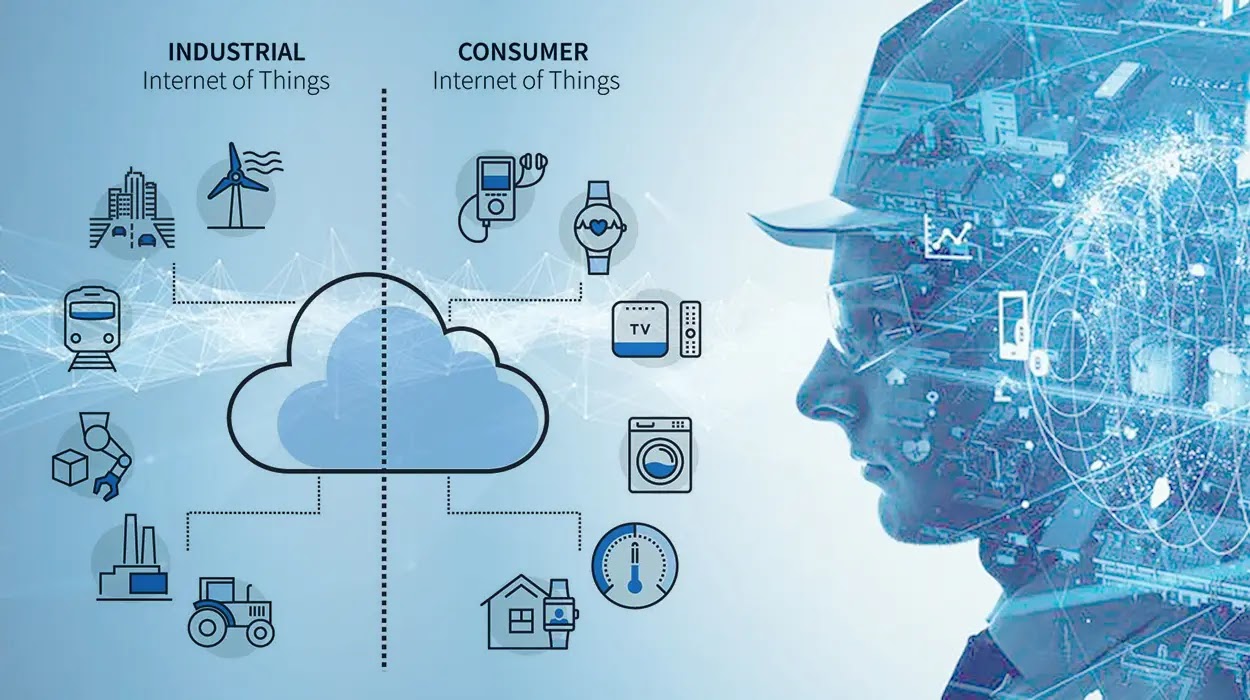
IoT’s impact extends across multiple industries:
- Smart Cities: Intelligent traffic lights and waste management systems.
- Agriculture: Automated irrigation and crop monitoring.
- Healthcare: Remote patient monitoring and smart wearables.
- Manufacturing: Predictive maintenance and process automation.
IoT in Smart Homes
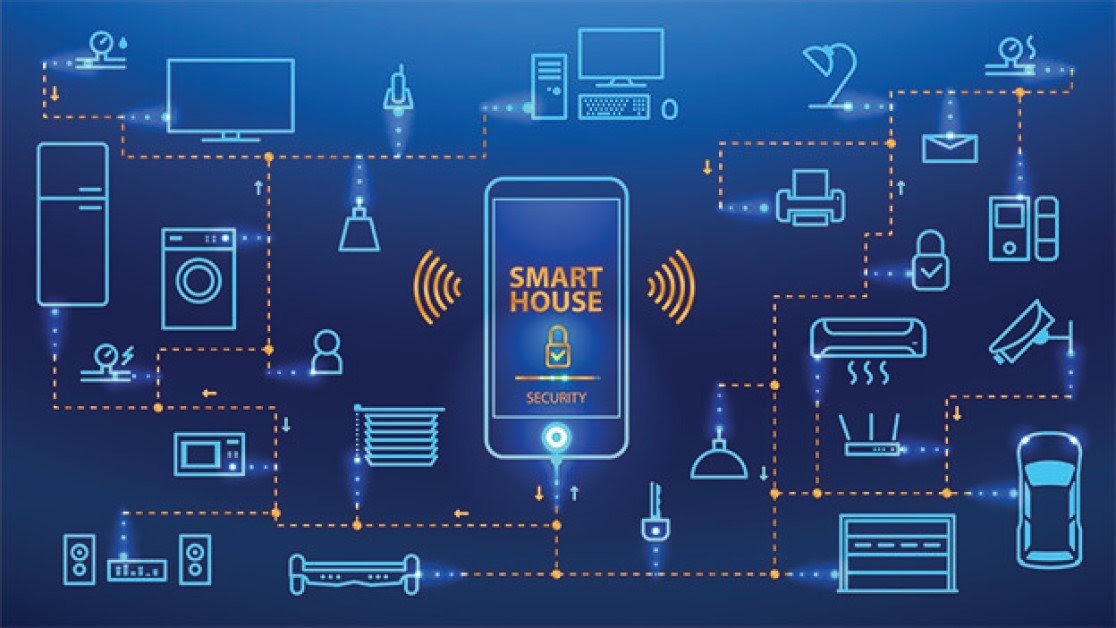
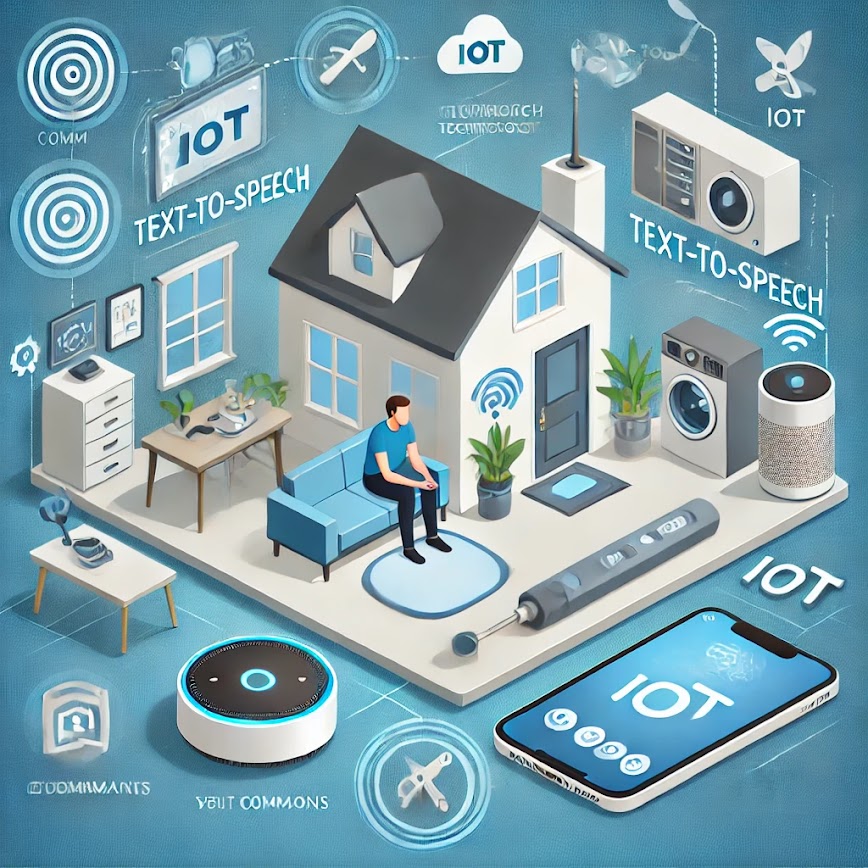
IoT brings intelligence to home devices—from smart thermostats and security systems to voice-controlled assistants. Users can control lighting, energy usage, and security remotely, ensuring convenience and safety.
IoT in Healthcare
In healthcare, IoT enables remote health tracking, wearable sensors, and smart hospital systems that transmit real-time data to doctors. This improves diagnostics, patient monitoring, and emergency response.
IoT in Industrial Automation (IIoT)
Industrial IoT (IIoT) connects factory equipment to enhance production efficiency. Sensors monitor machine health, predict failures, and optimize performance—saving millions in operational costs.
IoT in Agriculture and Environmental Monitoring
Farmers use IoT to track soil moisture, weather conditions, and crop growth. Environmental sensors also help monitor air and water quality, ensuring sustainability and climate resilience.
Challenges and Security Concerns in IoT
Despite its advantages, IoT faces challenges such as
- Data Security & Privacy Risks
- Interoperability Between Devices
- Scalability Issues
- Energy Efficiency Concerns
Professionals trained in IoT can help overcome these challenges through better design, encryption, and architecture.
Future of IoT and Emerging Trends
By 2030, it’s estimated that over 30 billion IoT devices will be in use globally. Key future trends include:
- AI-powered IoT (AIoT)
- Edge Computing
- 5G Connectivity
- Blockchain for IoT Security
Why Learn IoT Now?
With digital transformation accelerating across industries, IoT experts are among the most sought-after professionals. Skills in embedded systems, cloud integration, and data analytics are becoming essential.
Importance of Summer Training in Internet of Things
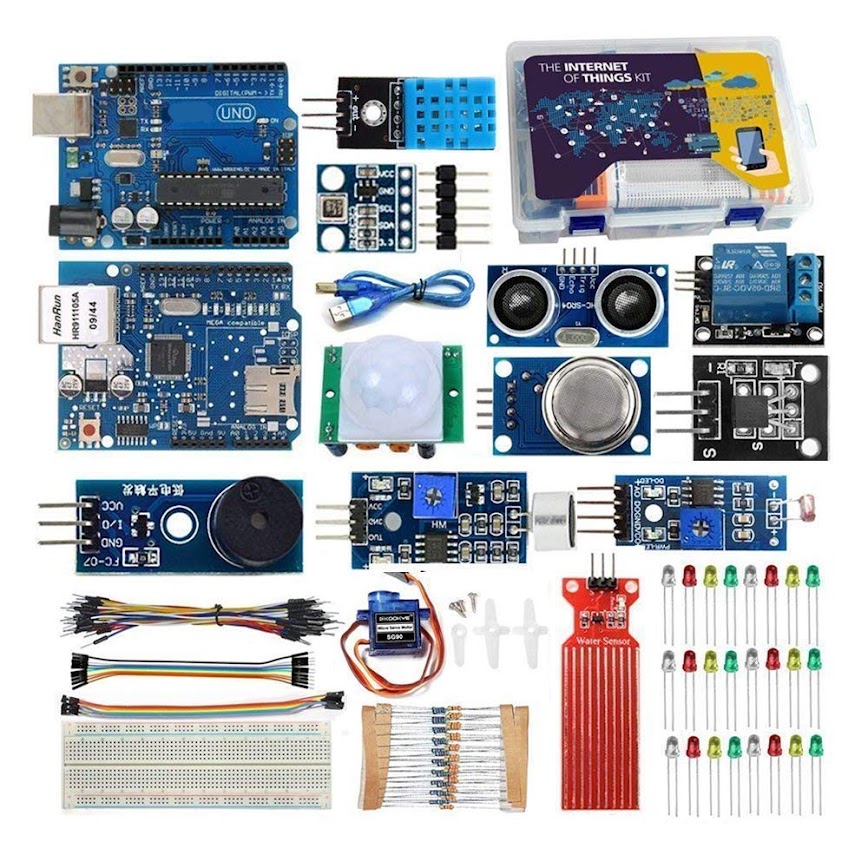
A summer training in the Internet of Things offers hands-on learning and exposure to real IoT projects. Participants build devices, design sensors, and integrate systems using microcontrollers and cloud tools.
This short-term program gives students a head start in IoT careers, bridging the gap between academic learning and industrial application.
TheCoreSystems: Leading the Way in IoT Training
TheCoreSystems, a leading AI-driven software development and training company in Chandigarh, offers advanced programs in:
- AI and Machine Learning
- Data Science
- Full-Stack Web Development (MERN, Python)
- Cybersecurity and AWS Cloud
- Embedded Systems and IoT
Their summer training in the Internet of Things blends theory with practical industrial exposure, empowering students to design and deploy real IoT solutions with expert mentorship.
What You’ll Learn in TheCoreSystems’ IoT Summer Program
During the training, learners explore:
- IoT Fundamentals and Architecture
- Embedded System Programming with Python
- Sensor and Actuator Interfacing
- Cloud Integration (AWS & MQTT)
- Data Analytics in IoT
- Industrial and Smart City Projects
By the end, participants complete a live IoT project with guidance from experienced industry mentors.
Career Opportunities After IoT Training
Completing a professional course or summer training in the Internet of Things opens a wide range of exciting and future-ready career paths. With IoT technology spreading across every domain, skilled individuals are in huge demand. Graduates can pursue roles such as
- IoT Developer – Design, program, and implement smart connected systems for consumer or industrial applications.
- Embedded Systems Engineer – Work on microcontrollers, sensors, and embedded firmware to make IoT devices functional.
- Cloud IoT Architect—Develop and manage IoT architecture integrated with cloud platforms like AWS, Azure, or Google Cloud.
- Data Analyst for IoT Applications—Analyze sensor data to identify patterns, improve efficiency, and predict system failures.
- Industrial Automation Specialist—Combine IoT with robotics and AI to optimize manufacturing, logistics, and energy systems.
In today’s digital ecosystem, Internet of Things professionals are needed in manufacturing, healthcare, agriculture, transportation, and renewable energy. With 5G and edge computing becoming mainstream, the demand for IoT expertise will only continue to rise.
Many organizations are also seeking engineers who can merge IoT with artificial intelligence and data analytics. This intersection of technologies creates smarter, autonomous systems capable of real-time decision-making.
For students completing TheCoreSystems’ Summer Training in Internet of Things, career prospects are especially strong. The company’s deep ties with industries in Chandigarh and nearby regions enable learners to gain hands-on exposure through internships and live industrial projects. By completing IoT projects during training, students demonstrate practical skills that make them highly employable and competitive in the global job market.
How IoT Connects with AI, Data Science, and Cloud
The Internet of Things is most powerful when it connects with AI, data science, and cloud computing. IoT devices generate massive amounts of real-time data; artificial intelligence uses that data for pattern recognition and automation. Data science transforms this information into actionable insights, while cloud platforms like AWS, Azure, and Google Cloud ensure scalability, storage, and security.
For example, AI-powered IoT systems can predict equipment failure before it happens, improve energy efficiency, or even enhance healthcare diagnostics. The synergy between IoT and AI is at the core of next-generation innovations such as smart factories, autonomous vehicles, and predictive healthcare solutions.
This convergence also powers TheCoreSystems’ Summer Training in Internet of Things, where learners explore how to build intelligent IoT systems that think, analyze, and evolve.
Testimonials and Industry Collaborations
TheCoreSystems has partnered with numerous industries, startups, and universities in Chandigarh, Mohali, and nearby regions. Their collaborations give trainees exposure to real industrial IoT systems, smart device development, and AI-driven automation.
Many alumni have gone on to work in top technology firms and research organizations, leading IoT, AI, and data-driven innovation initiatives. The organization’s focus on mentorship, project-based learning, and industrial partnerships helps students turn their passion into a profession.
Conclusion: Empowering the Future with IoT
The Internet of Things is not just technology—it’s the backbone of a smarter, more connected future. As industries evolve toward automation and intelligent systems, skilled IoT professionals will continue to play a critical role.
Through TheCoreSystems’ Summer Training in Internet of Things, students and professionals can master these technologies, gain industry experience, and confidently build careers that shape the world of tomorrow.
FAQs About IoT and Summer Training in Internet of Things
Typically 4–6 weeks, with hands-on sessions and project-based evaluations.What is the Internet of Things (IoT)?
Why should I join the Summer Training in Internet of Things?
Who can enroll in TheCoreSystems’ IoT program?
What skills will I gain?
Is IoT related to AI and data science?
What industries use IoT the most?
How long is the summer training in the Internet of Things?
Does TheCoreSystems provide certification?